Certified Arborist Services San Diego
Maximizing Your Yard's Potential: Why Tree Removal and Trimming Are Crucial for Property Health
Proper tree care is essential for maximizing outdoor space and maintaining property security. Neglected or deteriorating trees can create significant hazards and compromise visual attractiveness. Regular trimming encourages strong development and reduces hazards, while clearing problematic trees creates new landscaping opportunities. Recognizing when trees require attention is critical. What are the key indicators that homeowners should watch for, and how can they take thoughtful action regarding tree care?
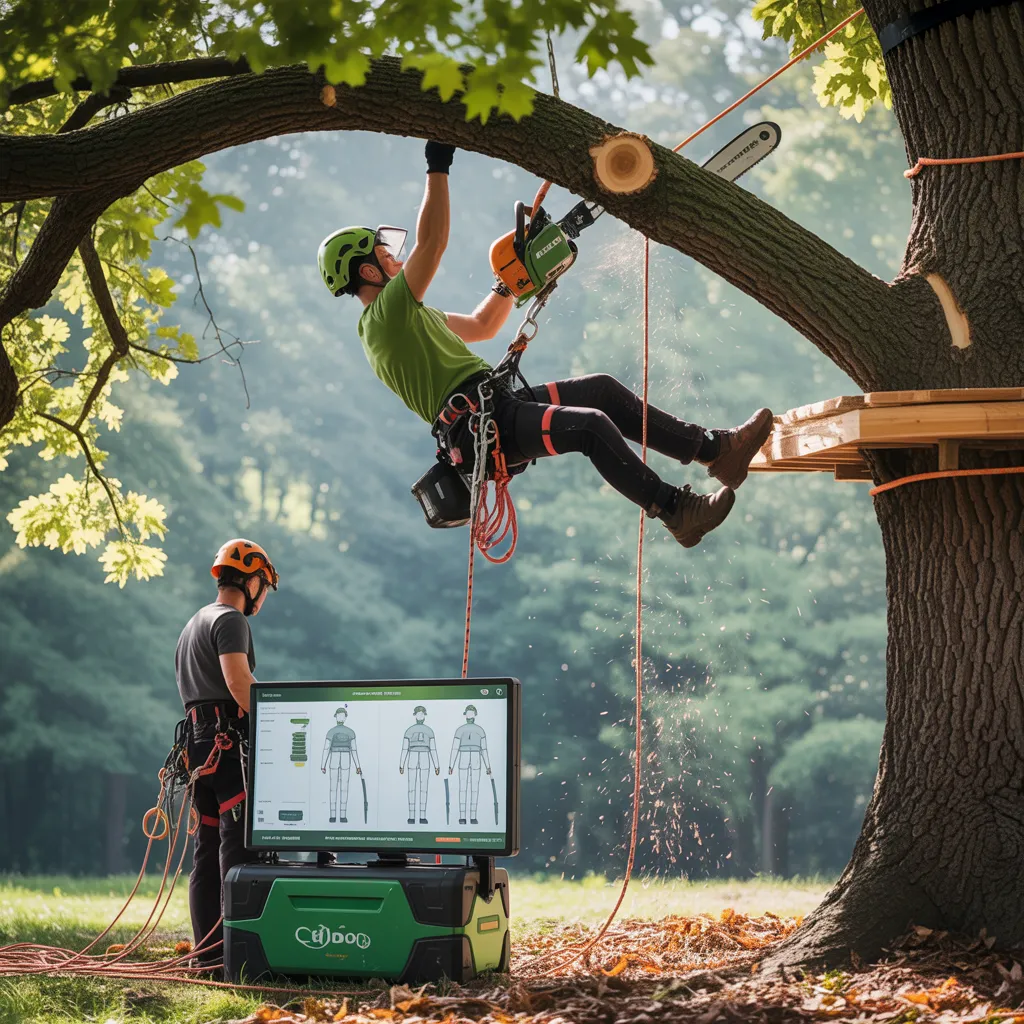
Identifying the Hazards of Overgrown Trees
Overgrown trees pose significant risks to both property and safety, as unmanaged growth can cause structural damage and heightened vulnerability in severe weather. Branches may encroach on roofs, gutters, and power lines, resulting in costly repairs and potential hazards. During severe weather conditions, these branches can snap without warning, creating a danger to people and structures beneath them.
In addition, unchecked growth can impede visibility, creating dangerous situations for drivers and pedestrians alike. Roots can additionally infiltrate foundations, sidewalks, and driveways, causing uneven surfaces and structural integrity issues. In addition, overgrown trees can attract pests and diseases, that can spread to surrounding plants and undermine landscaping efforts.
Failing to maintain trees properly can worsen these hazards, leading to more extensive damage over time. Consequently, recognizing the hazards linked to overgrown trees is essential for property owners aiming to preserve safety and protect their investments.
The Importance of Regular Tree Trimming
Regular tree trimming serves a vital role in keeping trees healthy and safe, actively minimizing the dangers linked to overgrowth. By removing dead or diseased branches, trimming enhances the overall vigor of the tree, encouraging new growth and better air circulation. This procedure not only aids in stopping the spread of pests and diseases but also lowers the likelihood of branches falling, which can create significant risks for people and property.
In addition, routine trimming enhances the visual appeal of the landscape, enabling trees to keep an appealing form. This can raise the overall property value, creating yards that are more appealing and enjoyable. Additionally, well-trimmed trees can allow more sunlight to reach the ground, supporting the development of healthy grass and vegetation beneath them. In summary, including consistent tree trimming in yard care can produce healthier trees, a more secure environment, and a more visually appealing outdoor space.
How to Recognize Warning Signs That Your Trees Need Attention
Tree species can exhibit numerous signs that suggest they need attention, such as decaying or weakened branches that may undermine their overall health. Additionally, the presence of fungal growth can signal deeper problems that demand immediate attention. Identifying these signs is crucial for ensuring proper tree health and structural safety.
Dead Or Dying Branches
Numerous homeowners often overlook the subtle symptoms that reveal a tree is under stress, particularly when it comes to dead or dying branches. These branches often are devoid of foliage and appear brittle or discolored. A careful inspection may reveal fractures or peeling bark, signaling that the branch is weakened. Moreover, an excess of dropped branches around the base of the tree can suggest that others are also deteriorating. Trees with failing or lifeless branches may also show signs of decay, such as a hollow sound when knocked upon. Identifying these signs is essential, as they can influence the overall vitality of the tree and nearby landscape. Prompt action can prevent further damage and promote a thriving yard.
Fungal Growth Indicators
Indicators of fungal development can often accompany the appearance of failing or withered branches, indicating that a tree may require urgent care. Black or brown discoloration on the bark or fungal growths near the tree's base may indicate deeper problems. Furthermore, a pale, dusty residue could point to powdery mildew, while black or brown spots could indicate other fungal infections. Trees showing signs of wilting or untimely leaf loss are equally susceptible. It is essential to monitor for these indicators, as neglected fungal problems can deteriorate the tree's strength and overall health. Consistent monitoring and swift measures can help avert further deterioration, ensuring the longevity and health of the property's greenery. Residents should remain vigilant about these symptoms to maintain a healthy yard.
How to Figure Out If Tree Removal Is Needed
When assessing whether tree removal is necessary, one must weigh a number of critical considerations. To begin, examining the tree's health is essential; signs of decay, such as dead branches or considerable fungal growth, indicate that removal may be necessary. Furthermore, the tree's structural integrity should be examined; a leaning tree or one with a compromised trunk poses risks to surrounding property and safety.
The distance from structures is another important factor to consider; trees positioned too near homes, power lines, or walkways may pose damage risks or dangers during severe weather. Additionally, should a tree be substantially limiting sunlight access to neighboring plants or landscape features, removal could be a reasonable course of action. Lastly, evaluating the tree's overall contribution to the landscape is important; if it detracts from the yard's aesthetic or functional value, removal could enhance property appeal. All of these considerations are crucial in deciding whether tree removal is the appropriate course of action.
How to Find the Best Tree Care Professionals
Locating the most qualified tree care specialists necessitates careful thought, as selecting qualified experts can greatly impact the health and safety of trees. Those seeking services should first investigate nearby companies, giving preference to those with favorable feedback and client recommendations. Confirming valid certifications and insurance policies is necessary, as doing so confirms that the specialists comply with professional benchmarks and are safeguarded in the event of mishaps.
Furthermore, securing multiple quotes can offer clarity on the going rate and assist in identifying reasonable costs. Face-to-face meetings are advantageous, enabling clients to gauge the skill and professionalism of the tree care specialists. Directing focused questions about their experience with similar tree issues can serve to confirm their level of knowledge.
Lastly, reputable tree care specialists frequently provide complete written proposals and straightforward breakdowns of the tasks covered. This transparency not only builds confidence but also assures that clients are fully informed before proceeding with plans regarding their arboricultural requirements.
Tree Removal and Trimming Pricing
The expense of tree removal and trimming is determined by several factors, such as tree size, the location, and the complexity of the work. Understanding these elements allows property owners to make informed financial decisions. Additionally, choosing professional tree care services may result in lasting savings by reducing potential risks and maintenance problems.
Factors Influencing Costs
Multiple elements influence the costs associated with tree removal and trimming, which makes it important for property owners to familiarize themselves with these variables. The size and height of the tree are major considerations; tall and large trees generally find now need additional equipment and manpower. The location of the tree also has a major impact; trees situated near power lines or structures pose safety risks, requiring specialized methods. In addition, the type of tree impacts pricing, as certain species present greater challenges. Accessibility is another vital factor; trees in hard-to-reach locations can result in increased expenses due to the demand for more resources. To conclude, regional rules and permits may impact total costs, underscoring the value of diligent preparation before contracting a professional. Having insight into these elements helps with accurate budgeting for tree care.
Long-Term Cost Savings Benefits
Budgeting for tree removal and trimming can provide substantial financial benefits for property owners. Well-cared-for trees lower the likelihood of structural and landscape damage caused by falling branches or uprooted trees during storms. This proactive approach limits potential insurance claims and repair expenses. In addition, well-maintained trees increase the value of your property by enhancing curb appeal, drawing interest from prospective buyers, and fostering a more inviting outdoor space.
Routine trimming encourages healthier development, lowering the chances of damaging pest infestations and diseases that could demand significant financial remedies. Furthermore, properly situated trees can decrease energy expenses by casting shade in the warmer season. Therefore, the early investment in tree removal and trimming can be compensated by enduring financial gains, making it a smart choice for homeowners and property owners alike.
Keeping Trees Healthy for Long-Lasting Yard Appeal
Maintaining tree health is crucial for guaranteeing long-term yard appeal. Well-maintained trees not only improve the aesthetic charm of a property but also promote ecological balance and biodiversity. Regular inspections can identify early signs of disease, pest infestations, or structural weaknesses. Implementing appropriate cultural practices, such as proper watering, mulching, and fertilization, promotes robust growth and longevity.
Pruning holds a key position in the maintenance of trees, enhancing both safety and appearance. Removing dead or overgrown branches improves air circulation and sunlight penetration, fostering a healthier canopy. Additionally, timely intervention can prevent potential hazards during storms.
In addition, a well-kept tree canopy delivers shade, lowering energy costs for residents. By committing time and resources into tree health, property owners can establish a flourishing landscape that remains resilient through the seasons, ultimately increasing the overall value of their property. Emphasizing tree care assures that yards are kept attractive and functional for years to come.
Common Questions and Answers
How Often Should I Have My Trees Professionally Inspected?
All trees ought to be professionally inspected no less than once annually, with special attention to those over five years old or located in metropolitan settings. Regular assessments assist in identifying possible dangers and guarantee the trees remain healthy and safe.
Can Tree Trimming Be Done in Any Season?
Tree cutting is generally possible in all seasons; however, the late winter and early spring months are most commonly recommended. This schedule encourages robust growth while reducing stress on the tree, maintaining the tree's best health and aesthetic condition.
What Tools Are Needed for DIY Tree Trimming?
For effective tree trimming, key tools you will need include loppers, pruning shears, a chainsaw, and a handsaw. Furthermore, protective equipment such as a hard hat, gloves, and goggles plays a critical role in ensuring your safety throughout the trimming process.
In What Ways Do Tree Roots Impact My Home's Foundation?
Tree roots have the potential to damage a home's foundation by exerting pressure against it, creating fractures and damage to the structure. The expansion of roots may disturb ground stability, leading to uneven ground settlement and potential water runoff issues around the foundation.
What Are the Regulations on Tree Removal in My Area?
Restrictions pertaining to tree removal change depending on the region, often requiring proper permits or observance of established rules. Landowners are advised to consult their local authorities or regional online portals to gain insight into the rules regulating tree removal in their specific location.